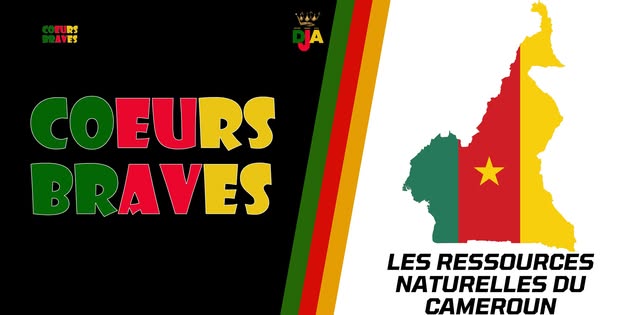
Cameroon, often nicknamed “Africa in miniature” because of its geographic and cultural diversity, is rich in natural resources. Here is an overview of the main ones.
Agricultural resources
The country has a wide variety of arable land and climate conditions favourable to farming. The main crops include cocoa, coffee, cotton, maize, bananas, cassava and oil palms. Agriculture plays a key role in the economy.
Forest resources
Cameroon has vast tropical forests rich in precious woods — mahogany, ebony, sapelli — and in non-timber products such as natural rubber and various medicinal plants.
Mineral resources
Bauxite, iron, cobalt, uranium, gold and diamond: the country’s mining potential is still largely untapped.
Oil and natural gas
Reserves are mainly located in the Rio del Rey basin and the Douala/Kribi-Campo area. Oil remains one of the main sources of export revenue.
Water resources
Rivers, lakes and a coastline along the Gulf of Guinea: these resources are crucial for agriculture, hydroelectricity and drinking water.
Renewable energy
Beyond hydroelectricity, the country has solar, wind and geothermal potential that is still largely underused.
Fishery resources
Marine and river waters abound in fishery resources. Fishing is an important economic activity for coastal and river communities.
These resources offer considerable potential. Their development does, however, raise major challenges of sustainability and environmental protection — at the heart of our commitment.